Prince Hussain Aga Khan displays his 'fragile beauty' in Nairobi
Wednesday, February 07, 2024
By Hilary Kimuyu & Josephine Njoroge
What you need to know:
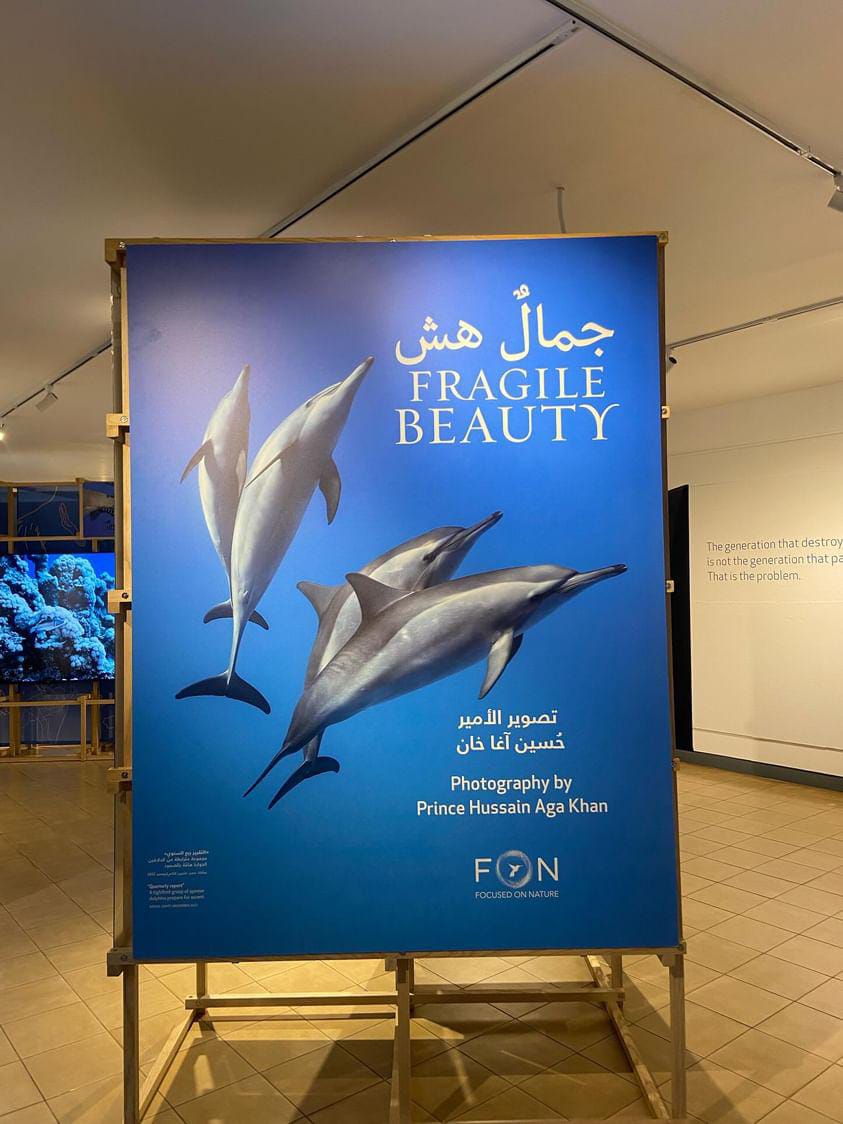
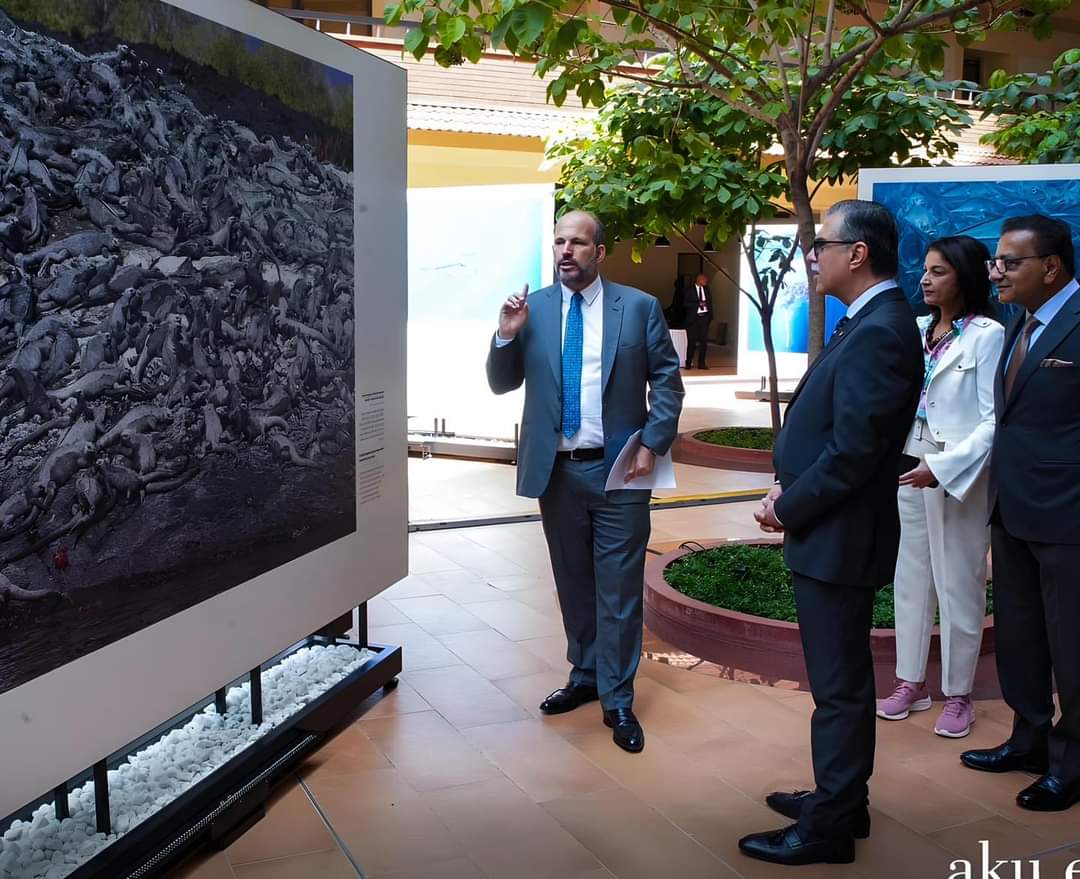
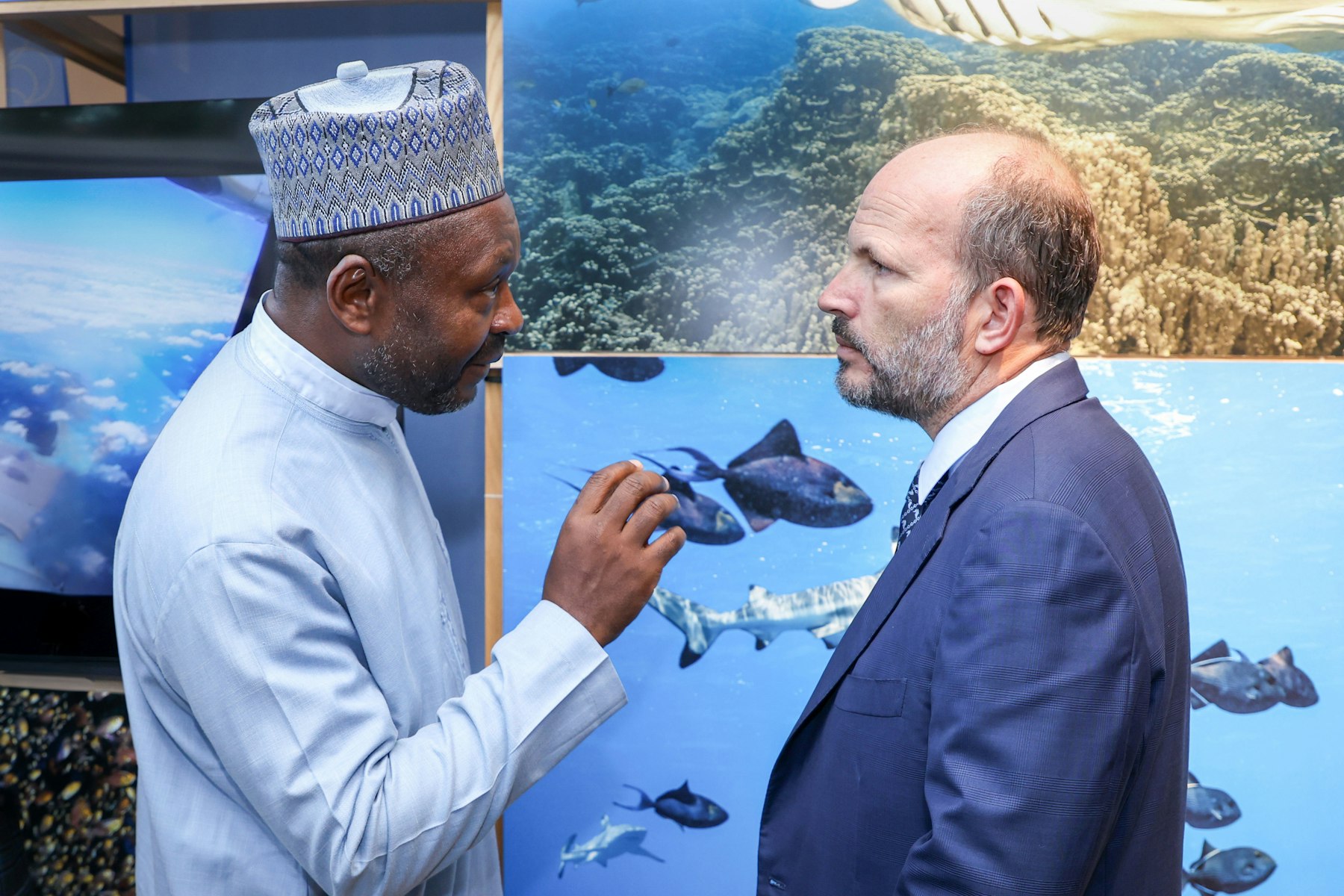
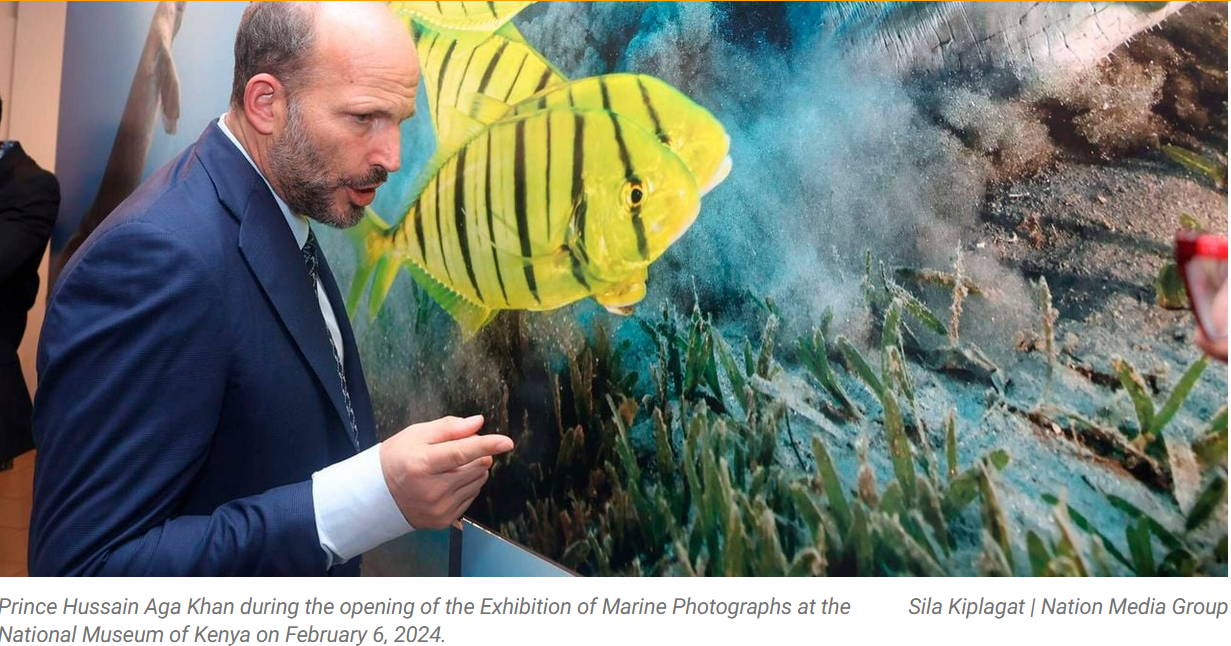
Titled "Fragile Beauty," the Living Sea photography exhibition celebrates the beauty and magic of the ocean and showcases some of the most exciting and surprising encounters Prince Aga Khan has had below the surface.
Exhibition in Nairobi aimed to inspire appreciation for wildlife and ignite a desire to protect it.
More photos and text on the link below.
https://nation.africa/kenya/news/prince ... y--4517672
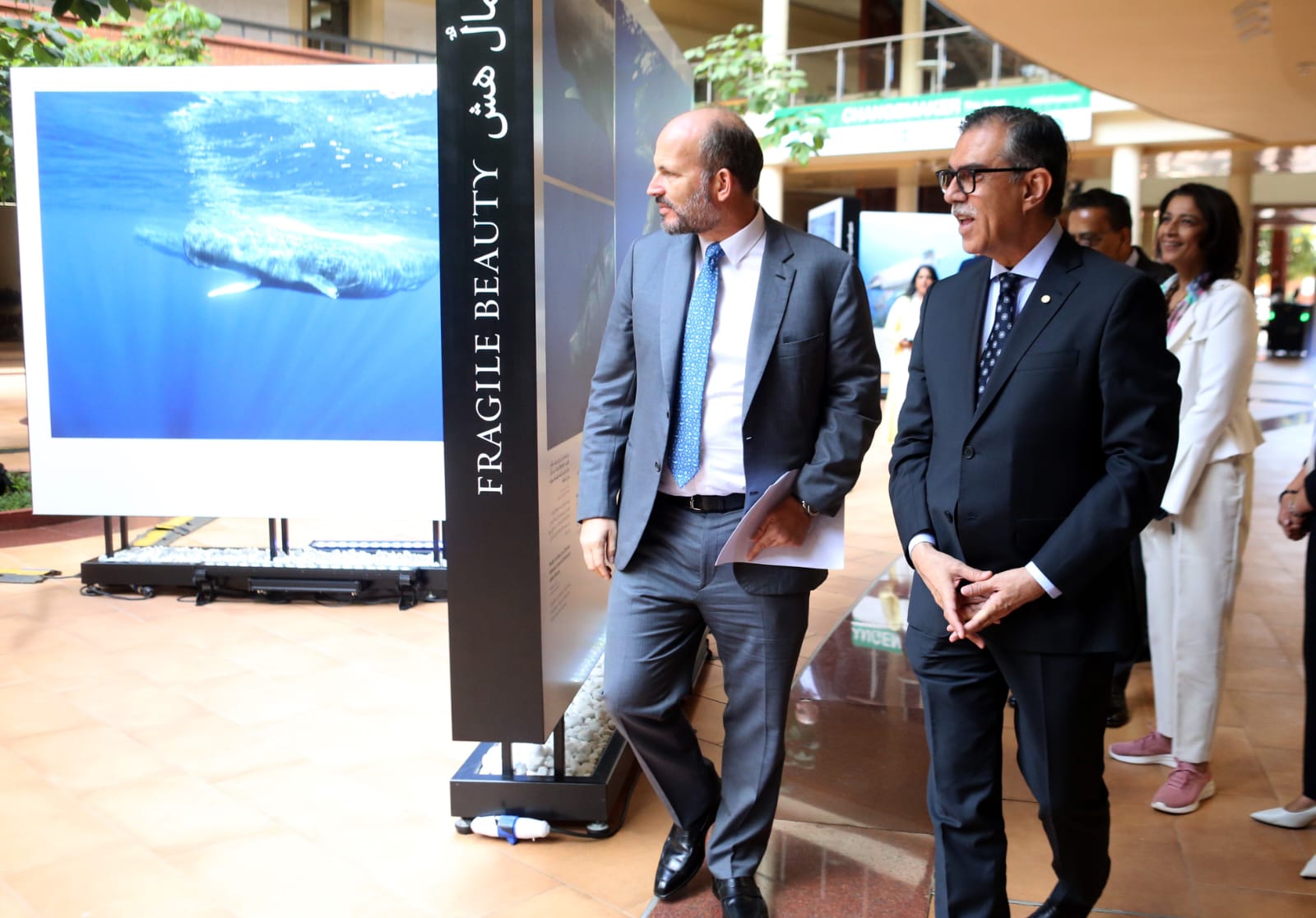
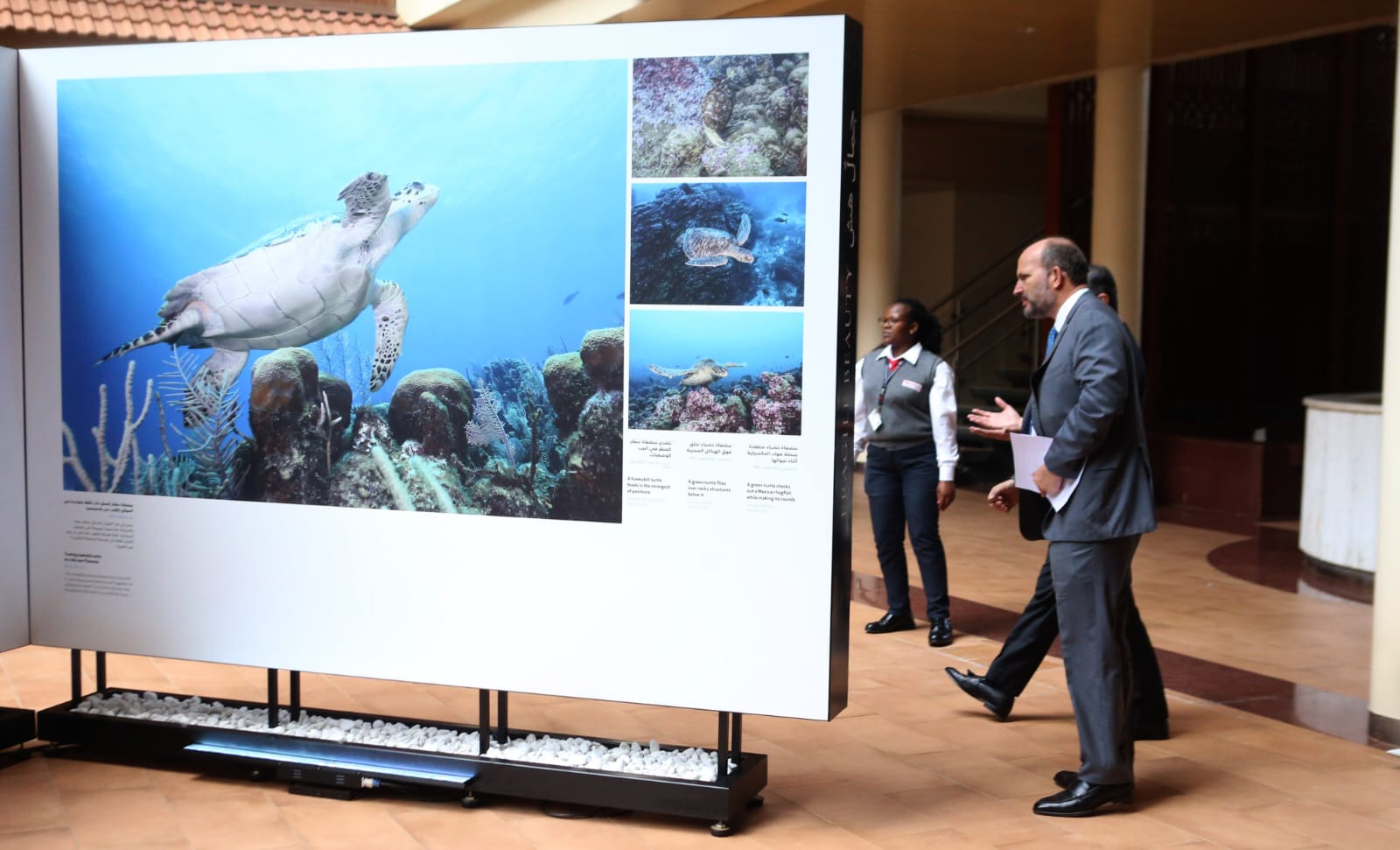
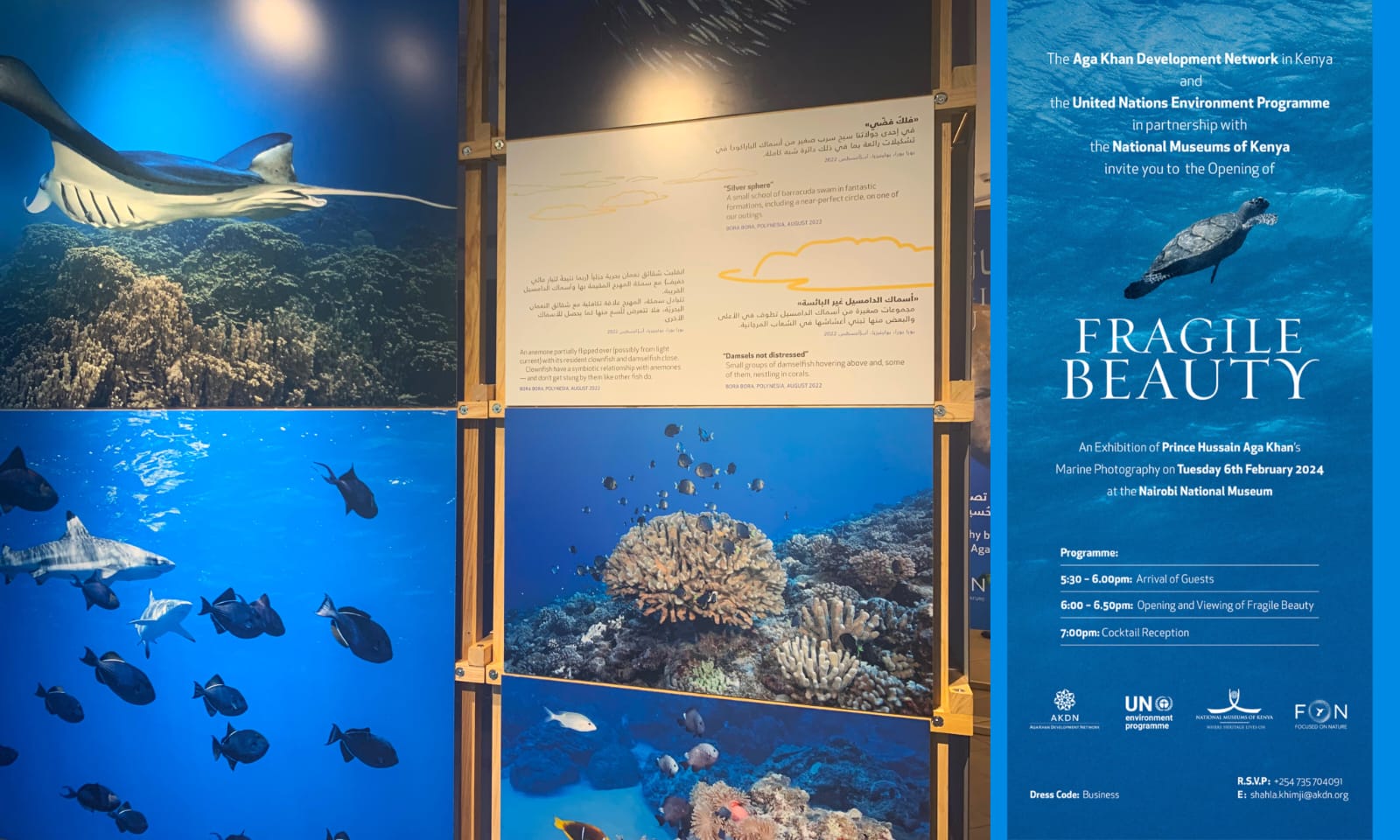
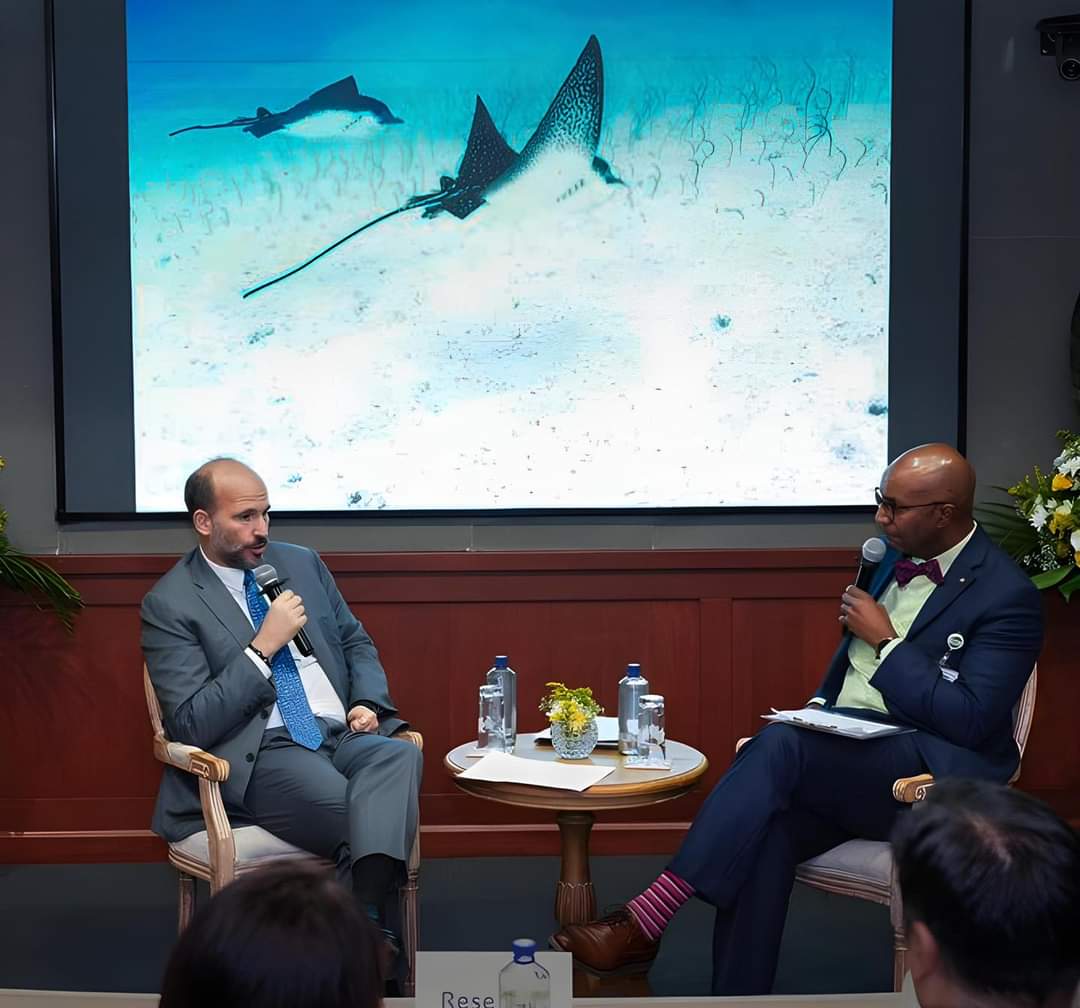
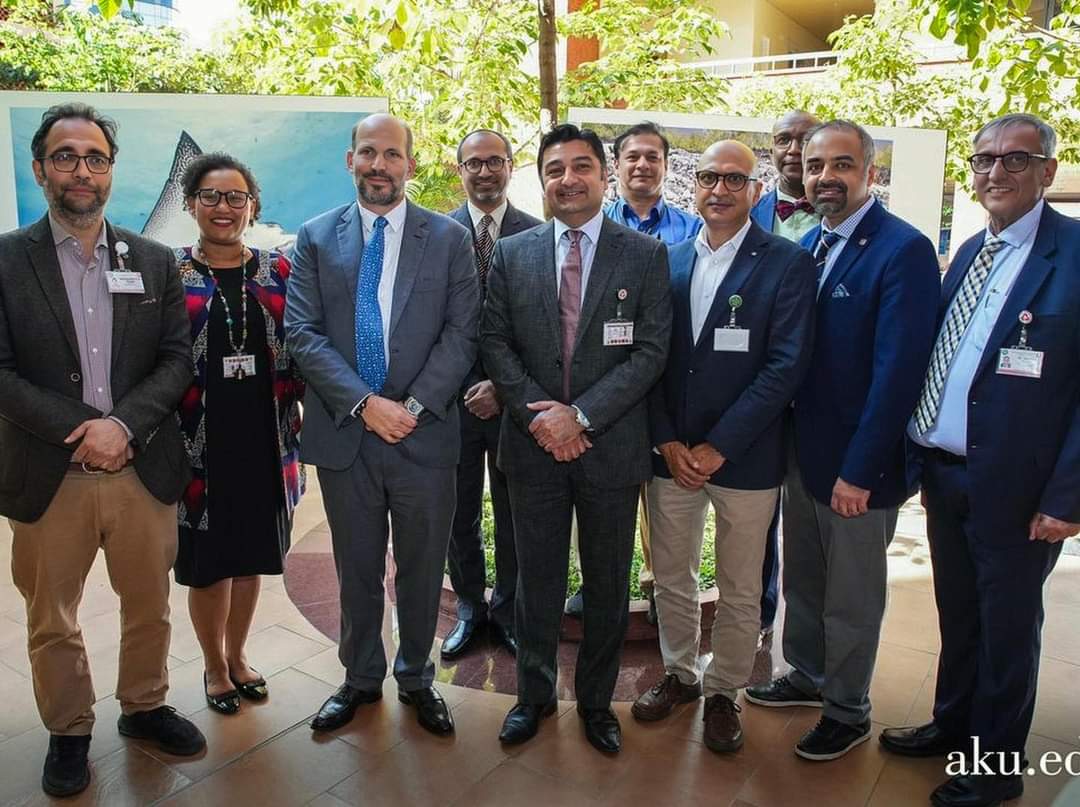
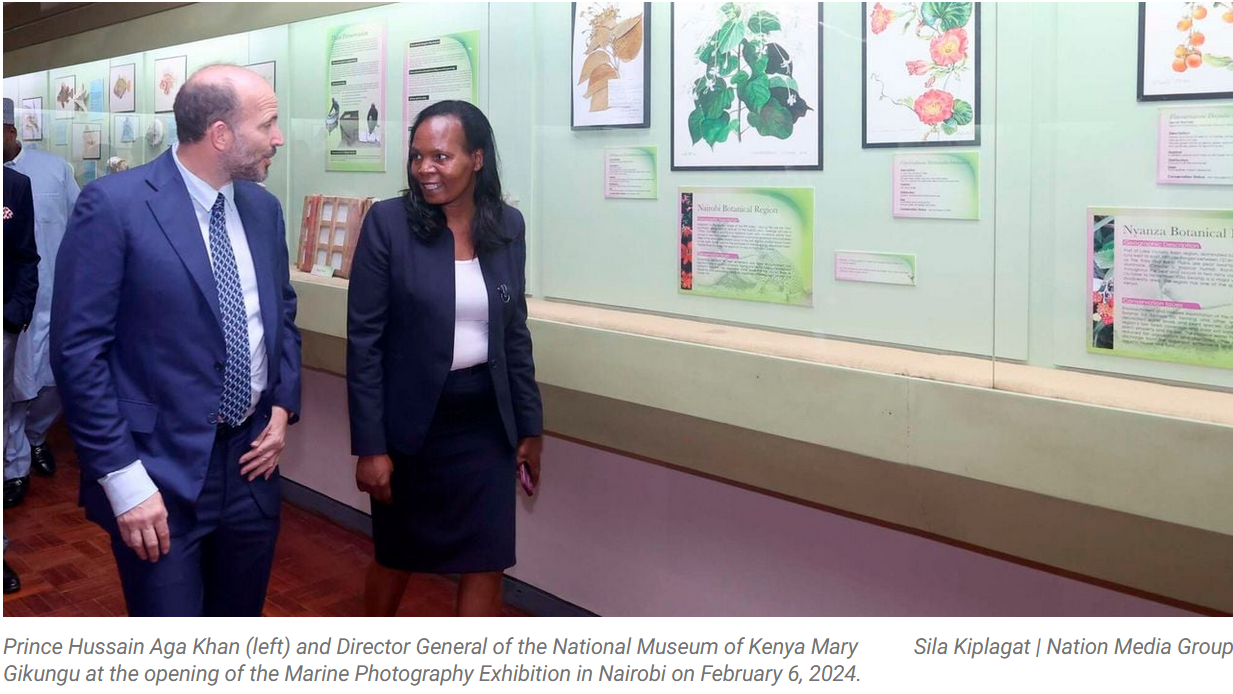
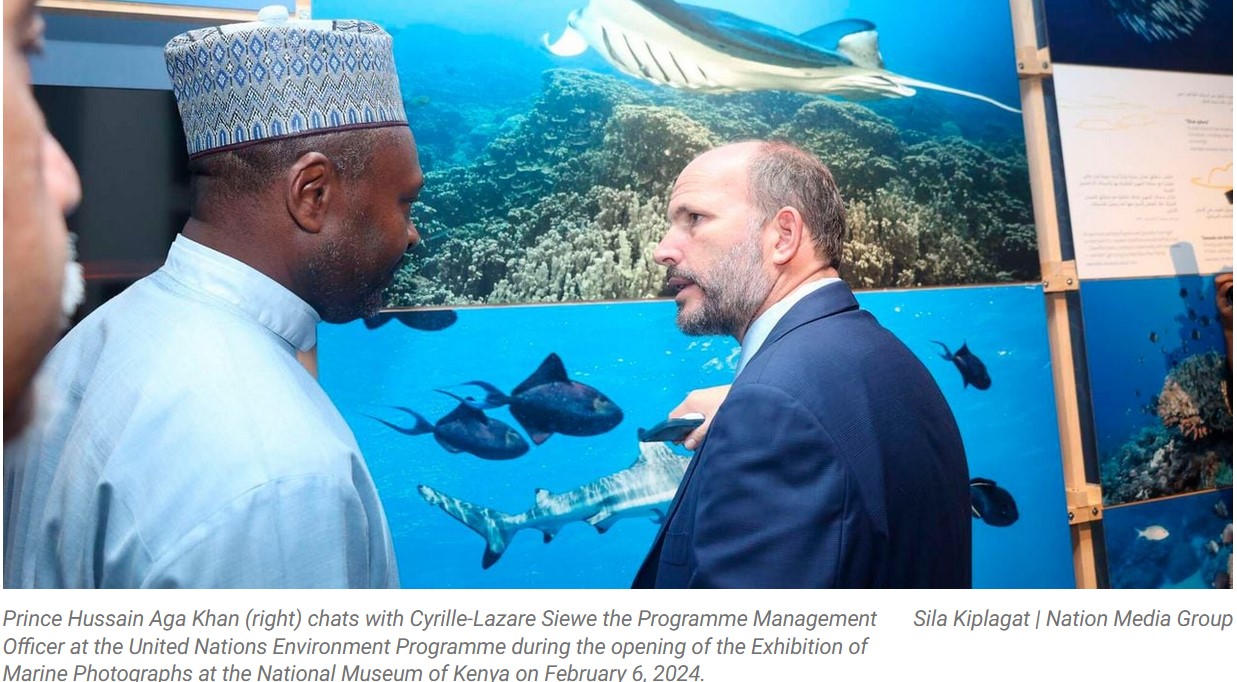
Prince Hussain Aga Khan on Tuesday officially inaugurated his exhibition of marine photography at the National Museums of Kenya on Tuesday evening.Titled "Fragile Beauty," the Living Sea photography exhibition celebrates the beauty and magic of the ocean and showcases some of the most exciting and surprising encounters Prince Aga Khan has had below the surface.These large-scale images reflect the biodiversity of marine life from around the world."My gratitude runs as deep as the Mariana Trench. I'm delighted to see the exhibition on bees and the Agha Khan Hall, named after my great-grandfather, and especially to appreciate the conservation tour designed by partners," he said.Read: In pictures: Exhibition of Marine PhotographsThe exhibition is intended to raise awareness of environmental issues and concerns in ocean ecologies. Photographs of diverse species and ecosystems highlight the impact of pollution on our waterways and the value and importance of preserving biodiversity.The international exhibition is organised by scientists or professional photographers, to inspire appreciation for wildlife and ignite a desire to protect it.The exhibition, which runs from February 6 to March 30, 2024, is a rare opportunity for Kenyans to engage with the "beauty, fragility and diversity" of marine life.It is part of Prince Aga Khan’s work with (Focused on Nature) FON, a non-profit organisation he founded in 2009.FON's mission is to support the conservation and protection of threatened and endangered species and habitats.The collection of approximately 100 photographs of oceanic ecosystems in various parts of the world showcases the beauty, fragility and diversity of marine life and highlights the need and urgency to protect, conserve and manage our oceanic heritage and resources.Read: The Aga Khan visits Kenya as he marks his Diamond Jubilee"Just a few years ago, my team and I were doing gallery shows every other year with a guest list of maybe 50 people and the nagging stress of organising invitations, transportation and catering.But today I'm in my favourite country on the planet, second only to Indonesia, surrounded by beloved colleagues, great minds and kindred spirits, not to mention local heroes and heroines," said the Prince.This is not Prince Aga Khan’s first exhibition - he has been diving and traveling to the tropics for over 20 years, since the age of 14. He began photographing flora and fauna in 1996 on a trip to the Brazilian Amazon.He has exhibited in the USA, France, Switzerland, and Kenya while publishing two books, 'Animal Voyage' in 2004 and 'Diving into Wildlife' in 2015. Some of his photos can be seen on various National Geographic blogs.Dr Azim Lakhani, Aga Khan Development Network (AKDN) diplomatic representative in Kenya, said Prince Aga Khan emphasised the importance of conservation "To make people aware of the beauty that exists under our seas and what we could lose forever if we do not protect and conserve our oceans," he said.Read: The Aga Khan receives Asia Society’s Game Changer Lifetime Achievement AwardOn Wednesday, President of the Aga Khan University Sulaiman Shahabuddin delivered a speech at a donor reception hosted by Prince Aga Khan."The Living Sea has touched the hearts of all who have experienced its beauty," said President Shahabuddin. "Through his remarkable photographs, Prince Aga Khan has ignited a passion for the natural world in all of us."hkimuyu@ke.nationmedia.com and mimujosephine@gmail.com Provided by SyndiGate Media Inc. (Syndigate.info)